How Many Photos Per Guest Is the Right Limit
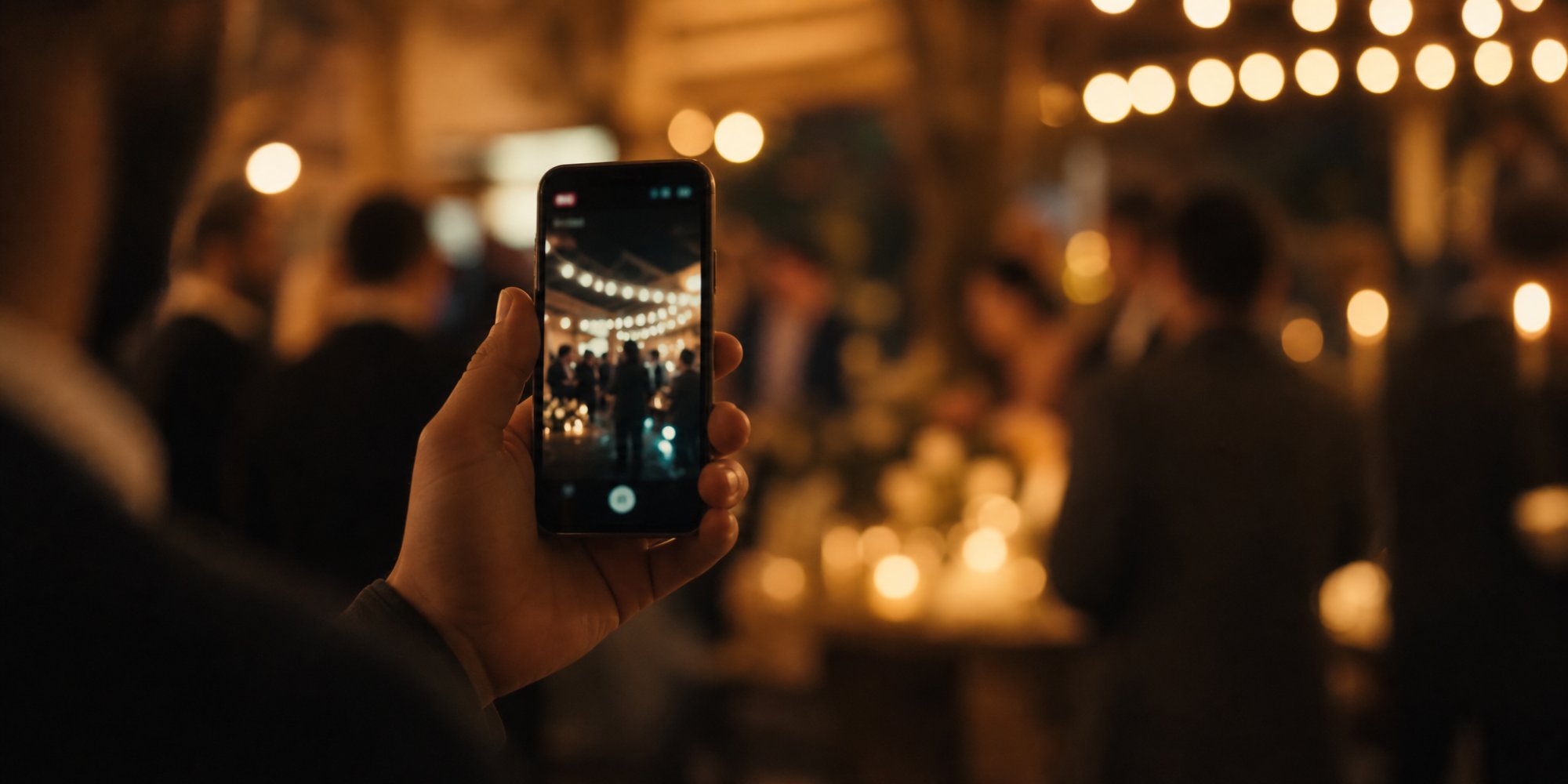
Unlimited photos sound generous, but they can actually hurt participation. Here's how to pick the right per-guest photo limit for your event.
Why the Photo Limit Matters More Than It Seems
It sounds like a small setting to configure when planning your event's photo-sharing setup, but the per-guest photo limit quietly shapes how people actually behave. Too high, and it feels like just another camera roll — easy to ignore. Too low, and guests might feel rushed or frustrated they can't capture a moment they cared about.
Getting it right isn't about picking a "correct" number so much as understanding what a limit is actually doing psychologically, and matching it to the kind of event you're hosting.
What a Limit Actually Does
It Creates Intentionality
When guests know they only have a set number of shots, they tend to slow down and think about what's worth capturing, instead of rapid-firing ten near-identical photos of the same moment. This is the same psychological effect that makes real disposable cameras feel special — scarcity changes how people engage with the camera.
It Prevents Photo Fatigue for the Organizer
Without a limit, a single enthusiastic guest might take 200 photos, most of them near-duplicates, burying the handful of genuinely great candid shots in noise. A reasonable limit keeps the total gallery manageable and easier to actually look through afterward.
It Can Increase Participation, Not Reduce It
This is the counterintuitive part: unlimited photo-taking doesn't necessarily mean more participation. When there's no limit, there's also no urgency or sense of occasion — it just feels like using a regular camera app. A limit gives the activity a bit of specialness, which tends to make guests more likely to engage with it at all, not less.

How to Choose the Right Number
There's no single correct number, but a few factors should guide your decision:
Event Length
A quick two-hour birthday party doesn't need the same limit as an eight-hour wedding with a full reception. Longer events generally benefit from a slightly higher limit, simply because there's more time and more distinct moments worth capturing (ceremony, dinner, dancing, send-off).
Number of Guests
At a large wedding with 150+ guests, even a moderate per-guest limit adds up to a substantial gallery. At a smaller, more intimate gathering, you might set the limit a bit higher per person since the total volume will naturally stay manageable.
The Kind of Moments You Want
If you mainly want the venue and general atmosphere, a lower limit is fine. If you're hoping to capture a wide range of specific moments (getting-ready shots, ceremony, reception, late-night dancing), guests will need a bit more room to work with across the whole event.
How Involved You Want Guests to Be
Some couples want photo-taking to be an active, memorable part of the guest experience. Others want it more as a light bonus. A slightly higher limit tends to suit the former; a modest one suits the latter.
A General Range to Start From
Rather than a single fixed number, think in terms of a range and adjust based on the factors above:
| Event type | Suggested range per guest |
|---|---|
| Short party (2-3 hours) | On the lower end |
| Full wedding reception (5+ hours) | On the higher end |
| Corporate event | Low to moderate |
| Multi-day celebration | Moderate, possibly reset per day |
The exact number matters less than making sure it's a genuine, enforced limit rather than a purely cosmetic one — see our guide on what to look for in a disposable camera app for more on why that distinction matters.
Common Mistakes to Avoid
- Setting the limit too low for a long event. Guests may run out of shots hours before the night is over, and stop engaging entirely once they hit the cap.
- Not telling guests there's a limit. Part of what makes the limit effective is guests knowing about it upfront — it's what creates the intentional, "make it count" mindset.
- Treating the limit as marketing only. If the app or tool doesn't actually enforce the limit, you lose the psychological benefit entirely and just end up with an unlimited camera roll by another name.
FAQ
Does a lower photo limit mean fewer good photos overall?
Not necessarily. A moderate limit tends to reduce near-duplicate shots and encourage guests to be more selective, which often means a higher ratio of genuinely good photos, even if the total count is lower.
Should the limit be the same for every guest?
In most tools, yes, the limit applies evenly across all guests, which keeps things simple and fair rather than needing to manage different limits for different people.
What happens once a guest reaches their limit?
This depends on the app, but generally the guest simply can't take additional photos once they've used their allotment, similar to running out of film in a real disposable camera.
Is there a way to increase the limit mid-event if needed?
Some tools allow the organizer to adjust settings after the event has started, though it's usually easier to think through the right number in advance based on your event length and guest count.
Does a photo limit apply per guest or for the whole event combined?
It's per guest, not shared across everyone — each person who joins the event gets their own individual allotment of photos to take.
Ready to set the right photo limit for your event? Try Camvi and configure it in minutes.